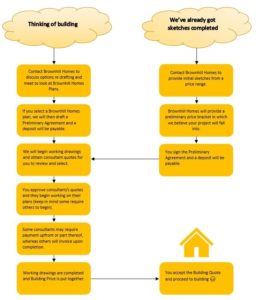
A lot of people put off building because they assume it means weeks of decisions, site visits and chasing trades around a full-time job. For some builds, that’s true. For others, it isn’t, and the difference usually comes down to how the builder runs the project, not how complicated the home is.
If you’re weighing up a custom home build against your current schedule, the real question isn’t whether you have the time. It’s whether your builder is set up to work around the time you don’t have.
What Actually Needs Your Times
There are a handful of points in a build where your input genuinely matters and can’t be skipped:
- Design sign-off. Confirming the layout, inclusions and finishes before construction starts, so the whole team is building to the same brief.
- Key selections. Kitchen, bathroom and material choices, usually bundled into a small number of decision points rather than spread across the whole build.
- Milestone check-ins. Brief updates at major stages, not constant back and forth, so you always know where the project stands.
Outside of these points, a well-run build shouldn’t need much from you at all. If you’re being asked for input more often than this, that’s usually a process problem, not a reflection of how complex your home is.
What Shouldn’t Need Your Time
Everything else, council liaison, trade scheduling, site coordination, day to day problem solving, is the builder’s job to manage without pulling you in. If you’re fielding calls about supplier delays or chasing your builder for an update, that’s a sign the process isn’t being run for you, it’s being run around you.
This distinction matters more than it might seem. Homeowners who feel like a build has taken over their life are rarely dealing with a genuinely more complex project. They’re usually dealing with a builder who never drew a clear line between what needed their input and what didn’t.
Questions Worth Asking Before You Sign
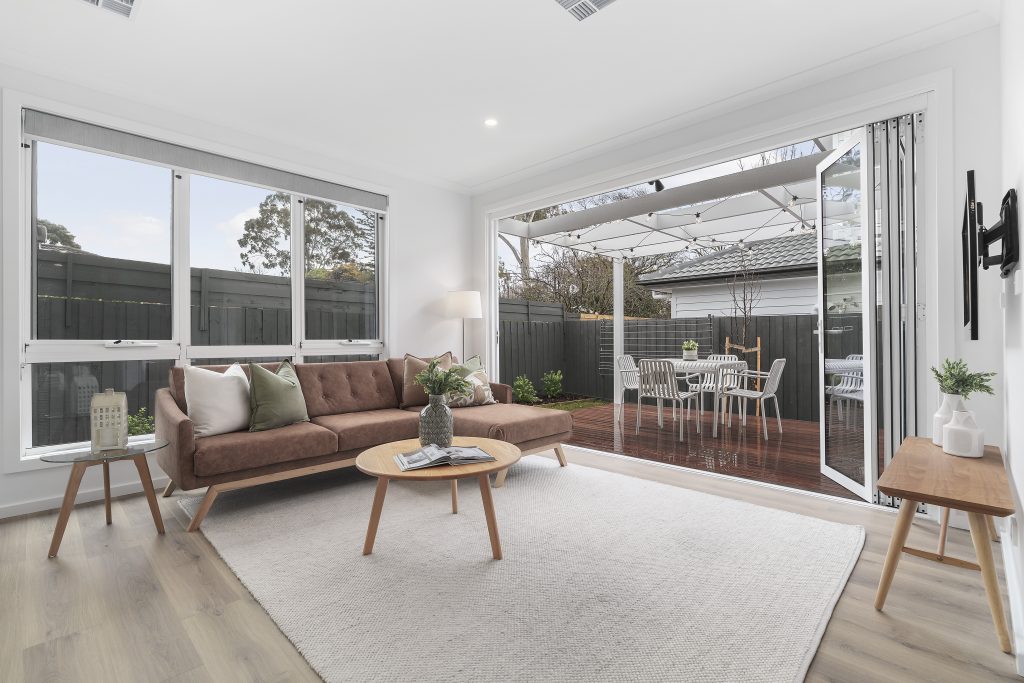
If you’re comparing builders and time is a genuine constraint, a handful of direct questions will tell you more than a brochure ever will:
- How many decisions will I need to make personally, and when do they fall in the build?
- Who is my single point of contact, and are they the same person from contract to handover?
- What happens if a decision needs to be made and I can’t be reached that day?
- How will I be updated, on a fixed schedule or only when something comes up?
A builder who can answer these clearly and specifically, without needing to check with someone else, is usually a builder who has actually thought about how the process runs for someone with a full calendar.
How We Structure the Process for Time-Poor Clients
Our process is built around exactly this. Before construction starts, we set out the handful of decisions that need your input and roughly when they’ll come up, so you can plan around them rather than being caught off guard. One point of contact manages everything in between, and updates land at defined stages rather than only when something needs fixing.
This is the same structure we use across our custom home and knockdown rebuild projects, because the time pressure homeowners feel is rarely about the home itself, it’s about not knowing what’s coming next.

What a Typical Month Looks Like
Most months on one of our builds follow a simple rhythm: a short update at the start of the month confirming progress against the program, a heads up ahead of any upcoming decision point, and a call if anything changes that affects your budget or timeline. Outside of that, you’re not expected to check in, and you won’t need to.
When a decision point is coming up, you’ll know about it in advance, with enough context to make the call quickly rather than needing to research it yourself first. That’s the difference between a build asking for your judgement and a build asking for your time.
What Happens When This Isn’t Set Up Properly
When a builder hasn’t drawn a clear line between what needs the homeowner and what doesn’t, the default tends to be to ask about everything, small material substitutions, scheduling conflicts with trades, minor site issues, just in case. It feels thorough from the builder’s side, but for a time-poor client it means a constant low-level drain of attention on decisions that didn’t need to reach them at all.
The fix isn’t fewer updates. It’s clearer ones, and a builder who has already decided, before your build starts, exactly which decisions are yours to make.
Why This Matters More Than People Expect
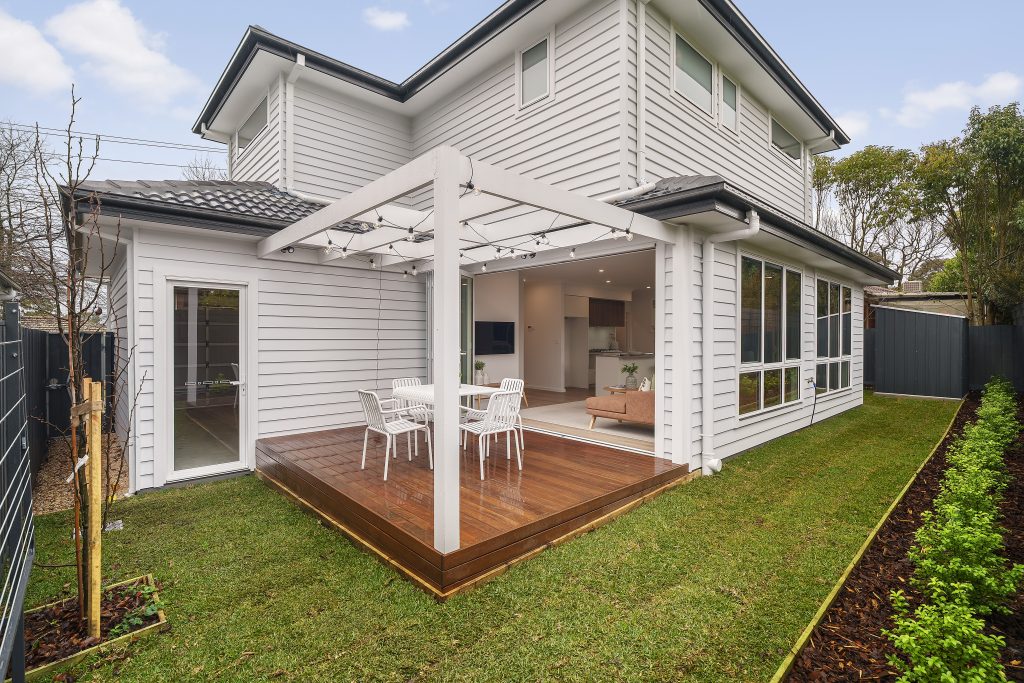
The homeowners who find building stressful are rarely the ones with the most complex homes. They’re usually the ones whose builder didn’t set clear expectations upfront about who handles what, and when they’ll hear from them.
If you don’t have hours a week to give to a build, that’s not a barrier to building well, it’s a reasonable expectation to set with whoever you choose to build with.
Thinking about building a custom home but not sure it fits around your schedule? Contact the Brownhill Homes team to talk through what a build actually asks of your time, and how we structure the process for clients with a full calendar, not a project manager’s.